

There are a lot of things you’re apparently supposed to know if you want to work in theatre, and it can be hard to know just where to start. Do you need to go to drama school? Take an MA? Find an agent? Should you enter competitions? Send your play somewhere? Put it on yourself? And at what mysterious point are you actually allowed to start calling yourself a playwright?
When I interviewed Morgan Lloyd Malcolm for the first issue of Exits & Entrances, we talked about Emilia, Dracula, The Turn of the Screw and the stories she’s passionate about telling. But I also wanted to ask her something more practical: how do you actually begin?
What if you don’t have family connections in the industry, haven’t been to drama school and can’t afford an MA – what should you be doing then? Morgan’s first piece of advice was refreshingly straightforward:
“I would advise them to find their local fringe theatre.”
1. Find your people – and make something together!
Go and see what’s happening at your nearest fringe theatre, Morgan suggests. See the shows. Find out who’s making them. If there’s an opportunity to get involved, take it. Start getting to know the community of theatre-makers around you.
And then?
Make something. It doesn’t have to cost thousands of pounds. You don’t need an elaborate set, a large cast or a prestigious venue. Morgan suggests asking a local fringe theatre whether they might let you use the space on a dark night, perhaps for free, to try something out with the people you’ve met there.
“Theatre can be anything… it could be you and one other person in a room.”
Making your own work can be difficult and expensive, and Morgan doesn’t pretend otherwise. But doing so can give you some real control over your creative life, rather than leaving every opportunity in somebody else’s hands. Your love of theatre can expand into “this whole other world of community and people” – you just need to “find your people, find your local community, and see what’s going on.”
And there’s another surprising advantage to simply getting involved: you might discover that the job you thought you wanted isn’t actually the thing you love most. Perhaps you begin by wanting to write – and then discover a passion for lighting design? Perhaps you think you want to perform, only to realise you’d rather stage-manage? Perhaps it’s producing, design, the box office, or something else entirely. Getting stuck in and making work gives you a real chance to find out.
2. See theatre – including things you don’t like!
Morgan recommends seeing as much theatre as you reasonably can, while acknowledging that tickets can be expensive.
Look for affordable performances, local productions and opportunities to see work without paying West End prices - and don’t limit yourself to productions that have received glowing reviews.
“Learn from things that aren’t good, as well as things that are good.” You might discover that you disagree with the critics. Something that everybody else seems to love might leave you cold, while a production that’s been dismissed by others could contain something that genuinely excites you. Or you might watch something that doesn’t work and begin to understand why. Either way, you’re developing your own judgement about what happens onstage – and about the theatre you want to make.
3. Take advantage of free opportunities.
Morgan’s advice here is clear: “Just do all the free events.”
Local theatres often run talks, Q&As, workshops, playwriting sessions and other events where you can learn something and meet people working in the industry.
Not every theatre offers them, of course, and what’s available will depend on where you live. But it’s worth looking beyond formal training courses to find out what else is happening in your area. The most useful conversation might even take place after an event rather than during it, if you can stay on for a chat or a coffee afterwards.
If the expensive route into theatre isn’t available to you, that doesn’t mean there is no route.
4. Ask questions!
Theatre can sometimes feel like an industry in which everybody else knows the rules – and often the only way to discover how something works is to ask.
Morgan encourages emerging writers to use the internet: follow people whose work interests you, find out what they’re doing and, within reason, get in touch. She regularly receives messages from writers wondering what to do with a play they’ve finished or what their next step might be and she has no problem with that.
Not everybody will have time to reply, and, of course, nobody is obliged to provide free mentoring. But a polite, specific question can be a perfectly reasonable place to start. You don’t need to assume in advance that nobody will answer and miss out on the opportunity to connect. And you certainly don’t have to work everything out alone.
5. Don’t give up the day job too quickly.
This may not be the most idealistic advice anybody has ever given an aspiring playwright but it may well be some of the most useful!
“Don’t give up the day job so quickly.” Morgan spent years writing alongside other employment and knows just how difficult it can be to build a financially sustainable career in theatre.
These days, alongside her work as a professional playwright and screenwriter, she also teaches and runs workshops. That’s another source of income – and one she wishes she’d embraced earlier.
Interestingly, she admits that she initially felt nervous about teaching: “Who the hell do I think I am to teach people how to do this when I barely know how to do it myself?” But she’s discovered that she enjoys it, particularly running workshops and talking to students.
It’s a useful reminder that a creative career doesn’t necessarily mean doing one thing, and only one thing, for the rest of your working life. You may need several different strands of work to keep yourself going. And there’s absolutely no shame in that. Indeed, keeping yourself afloat financially with other work may be precisely what allows you to carry on writing.
6. Remember that a career isn’t a timetable.
Morgan is clear that the theatre doesn’t offer a dependable sequence of steps leading from beginner to professional success. “There’s no, if you do this, then this will happen.”
Her own career took time. She worked a full-time day job alongside writing and, when she began, gave herself ten years to see whether she could make meaningful progress. Looking back, she wishes she’d understood sooner that building a writing career is “a marathon, not a sprint.”
It’s easy to see somebody else’s success and imagine that you’re falling behind. One writer appears to have arrived almost overnight, while another is still waiting for a first production. But careers develop at different speeds. Theatre is also a business, and luck and timing matter: sometimes a particular play happens to meet a particular moment. You can’t know when yours will.
Morgan’s advice to her younger self is considerably simpler: “Stick it out, stick it out.”
7. If you’ve written a play, you’re a playwright!
Perhaps my favourite part of this conversation came when I asked Morgan when she first began thinking of herself as a professional playwright, rather than somebody still trying to become one.
She remembered being told by a director friend, when she was in her mid-twenties, that she couldn’t call herself a playwright until she’d had a professional production. For a while she believed them. But it didn’t take her long to realise that it was “absolute rubbish” – and she is very clear now that “everybody who writes a play is a playwright.”
Of course, there’s a difference between writing plays and making your entire living from writing them. Morgan knows that as well as anyone – “It’s very hard to make money from writing plays.”
It took her a long time to reach the point where writing was her full-time profession, and she worked other jobs along the way. But she called herself a playwright long before she was earning money from it - and she doesn’t believe that lack of income should stop anybody else from doing the same.
“I would never want anybody to limit themselves by not thinking they are a playwright, just because they’ve not made any money from it.”
So perhaps the answer to How do I Begin…? isn’t quite as mysterious as it first appears.
Find your local theatre. See what’s happening. Go to the free events. Ask questions. Find some people. Make something.
Continue doing whatever work you need to keep yourself going, and don’t assume that somebody else’s career timetable should be yours.
And if you’ve already written a play, or you are writing one? You don’t need to wait for somebody else – anybody else – to tell you what you are.
You’re a playwright.

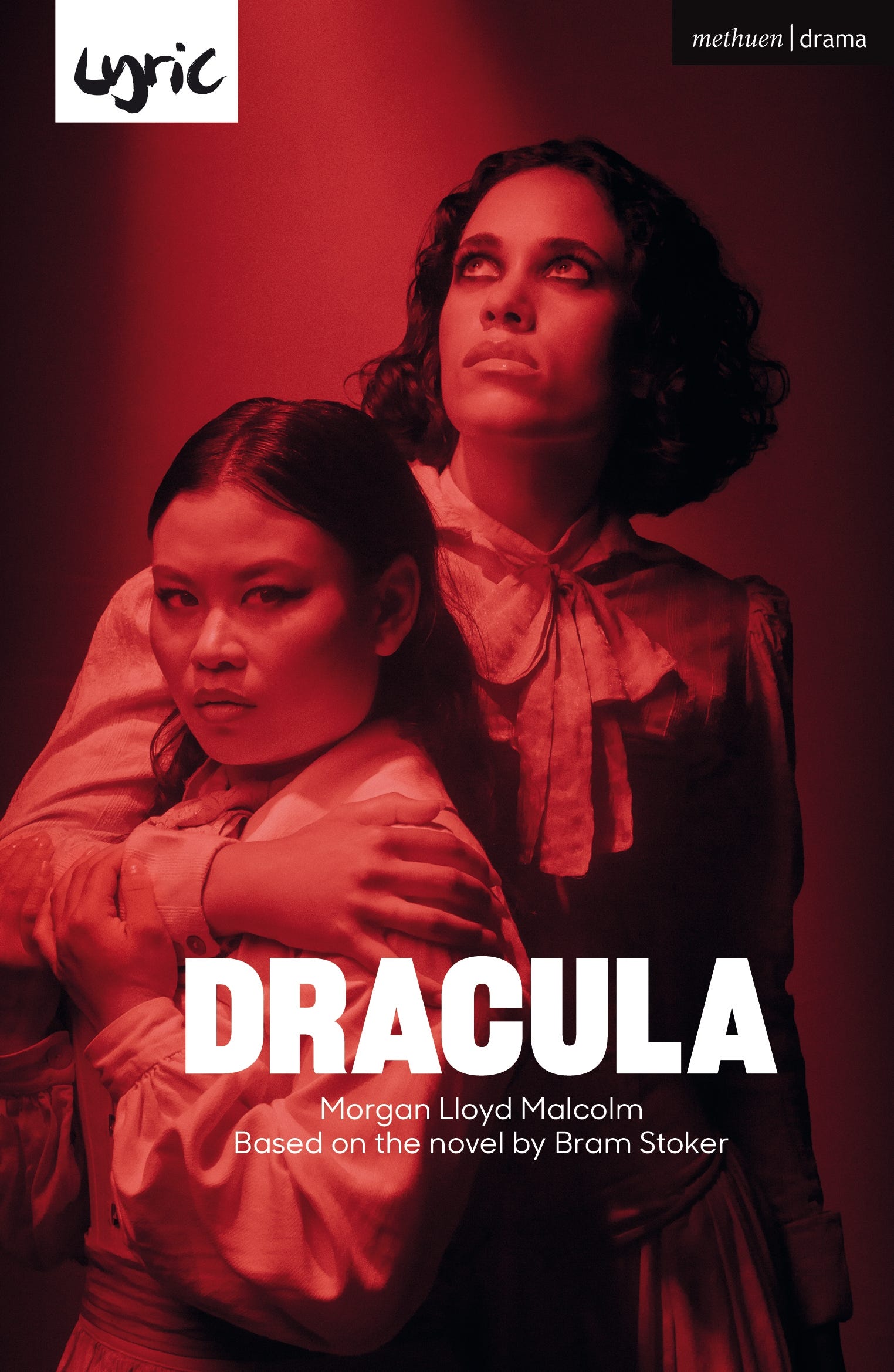
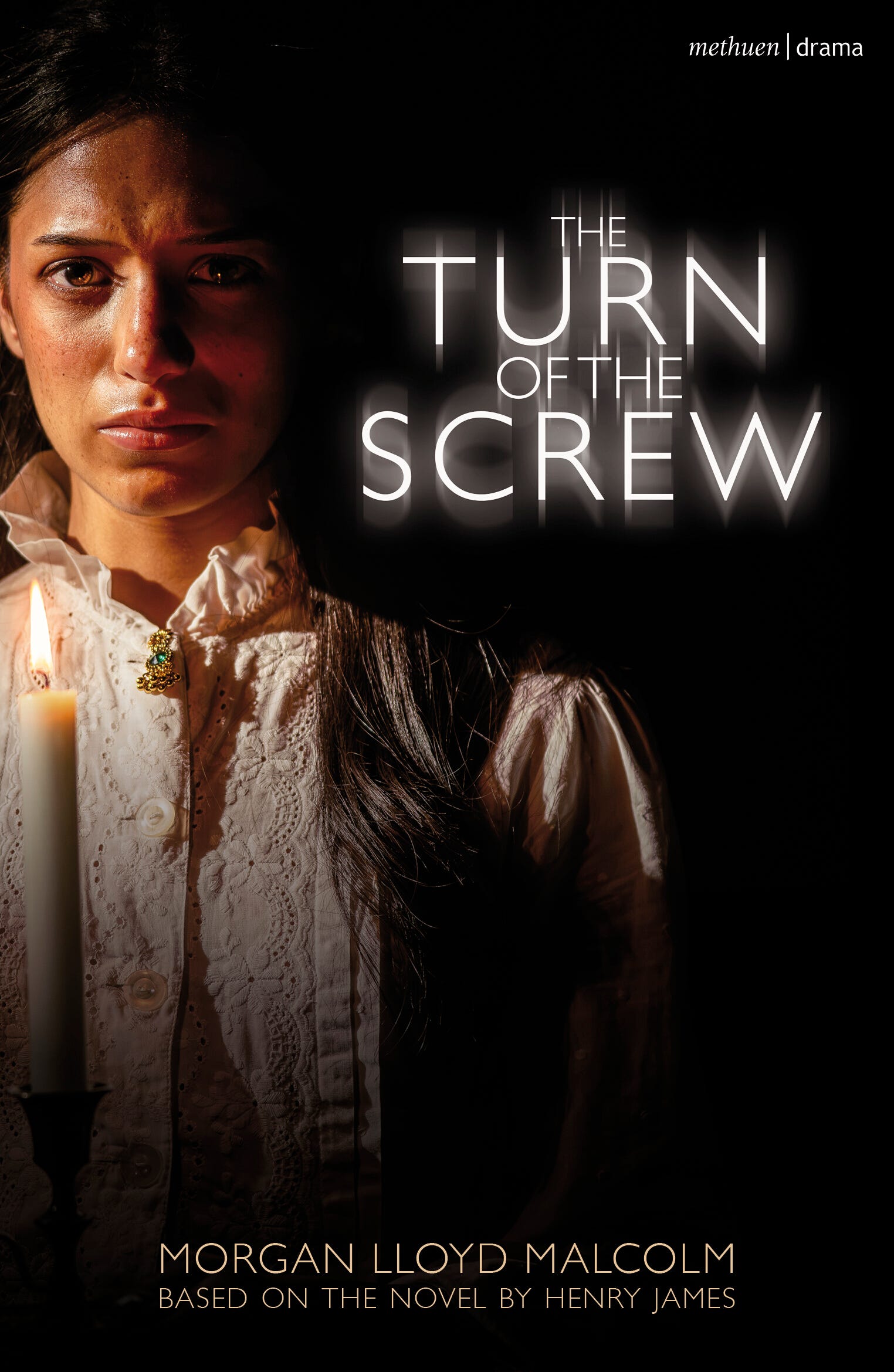
Read our main interview with Morgan Lloyd Malcolm, Who Gets to Tell the Story?, in which she talks about Emilia, Dracula, The Turn of the Screw and putting overlooked women at the centre of familiar stories.
🎭