
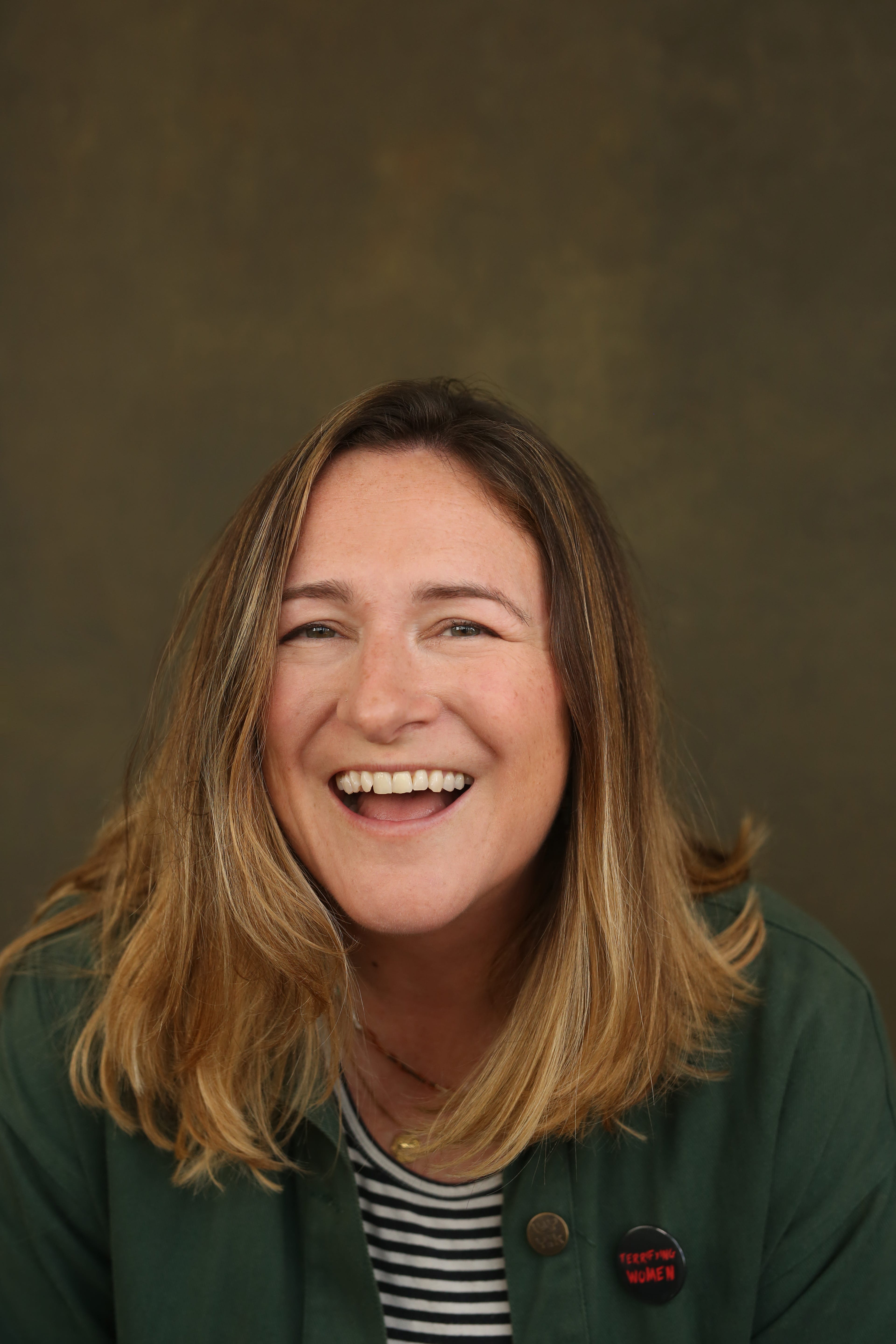
When I spoke to Morgan Lloyd Malcolm, I’d recently had the chance to watch her chilling new adaptation of The Turn of the Screw at the Arcola Theatre. I had also seen her Dracula at the Hammersmith Lyric last year, while Emilia was the first of her plays that I’d encountered at the Vaudeville back in 2019.
Looking back across those three productions, something struck me. Each, in a rather different way, seemed concerned with women whose voices had been overlooked, diminished or simply not believed.
In Emilia, a woman largely pushed out of the historical narrative is brought firmly into the spotlight. In Dracula, Mina moves from the margins to become the central figure in a story usually dominated by its male characters. And in The Turn of the Screw, the Governess is trying to tell us what has happened to her – even if she is met with scepticism, accusation and disbelief.
I wondered whether Morgan saw a connection between them herself. She did. As she put it when we discussed Dracula, she asks, “Can I pull out a woman in this story and give her the chance to tell it?”
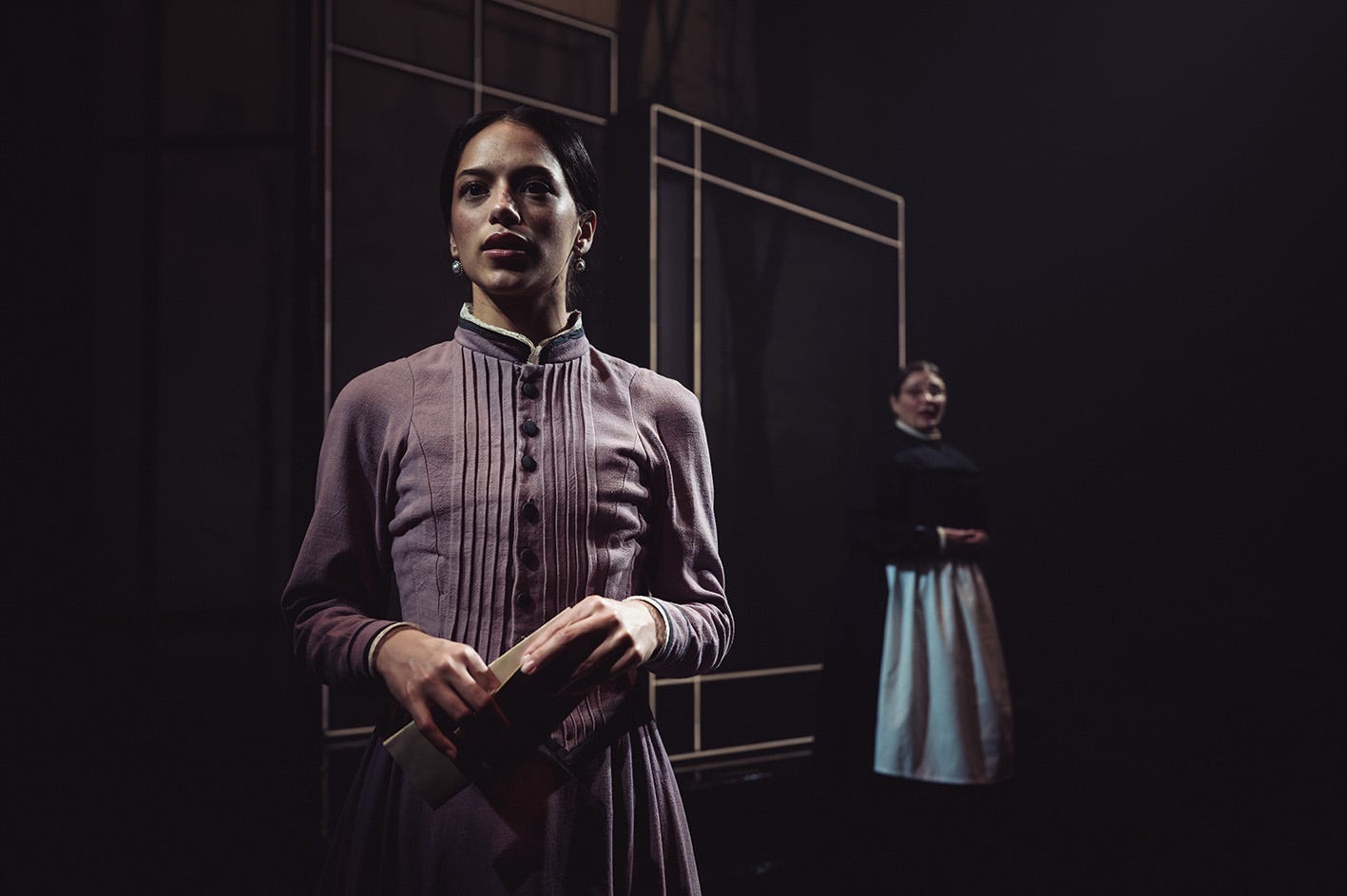
It’s a question that seems to run through much of Morgan’s work. But once a woman has the chance to tell her story, another question follows: who believes her?
When we talk about Emilia, Morgan remembers the excitement surrounding its original production, which arrived during the momentum of the #MeToo movement. She recalls that it felt “really needed and wanted” at the time. And the questions it raised extended beyond the play itself: who gets to appear onstage, who works behind the scenes, and who gets to write the stories? Who gets the credit for the important things that history remembers?
But then came the pandemic. Morgan feels that, although the conversations about representation continued, the financial pressures facing theatres when they reopened meant that much of the practical work towards change was pushed aside. The immediate priority became getting productions back onstage and keeping theatres alive.
She acknowledges how difficult things have been for people running venues on very little money, and she does recognise some progress, particularly in the language and awareness surrounding bullying and sexual misconduct. But she remains concerned that the mechanisms needed to protect people and bring about lasting change haven’t kept pace.
As she puts it, “the promise of progress, or the promise of some change, was coming to us, and then it all just stopped.”
Finding another way into a familiar story.
Morgan has written several adaptations in recent years – partly because familiar titles have become attractive to theatres looking for productions with an existing audience. But recognising the commercial appeal of a classic novel is only the beginning.
When she’s considering adapting something, she asks herself two questions. Does she actually enjoy the story? And what can she in particular bring to it that makes putting it onstage again worthwhile?
“It’s always that question of why is this a theatre show? Why does this need to be on a stage when we could just literally sit down and read the book?”
It’s a good question. An adaptation has to offer something beyond a shortened retelling of the original.
With Dracula, Morgan found her way into the story through Mina. In Bram Stoker’s novel, Mina is far more instrumental in defeating Dracula than many adaptations would suggest. She identifies the nature of the threat and, through her connection with Dracula, helps the others track him down. Yet she is frequently reduced to a helpless woman in need of rescue.
Morgan saw an opportunity to change the emphasis: what if Mina was the hero? What if this became her telling of the story?
It’s not about inventing a different character, but looking more closely at the one who was there all along. Suddenly, a familiar story begins to look rather different.
The woman nobody believes.
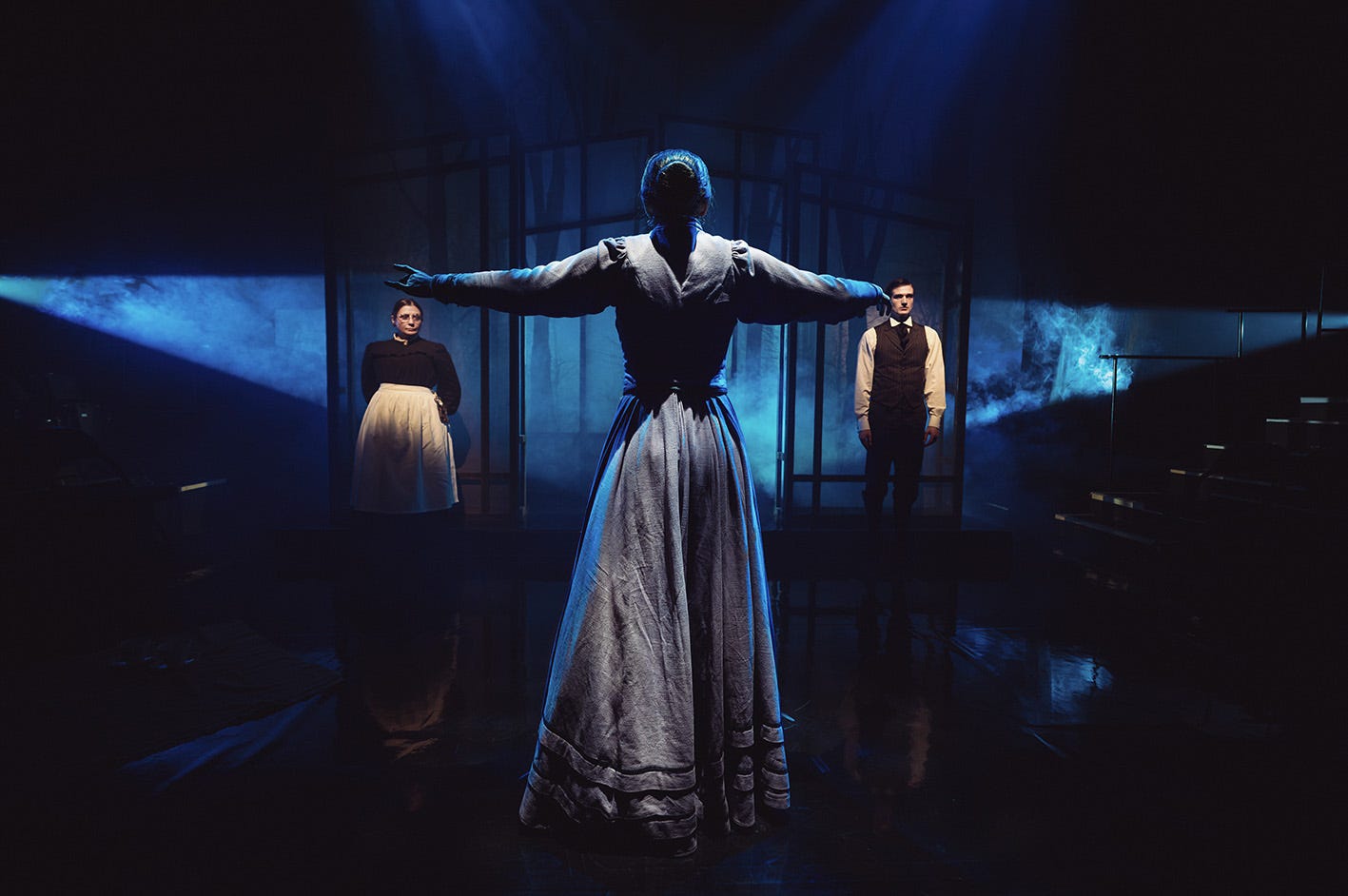
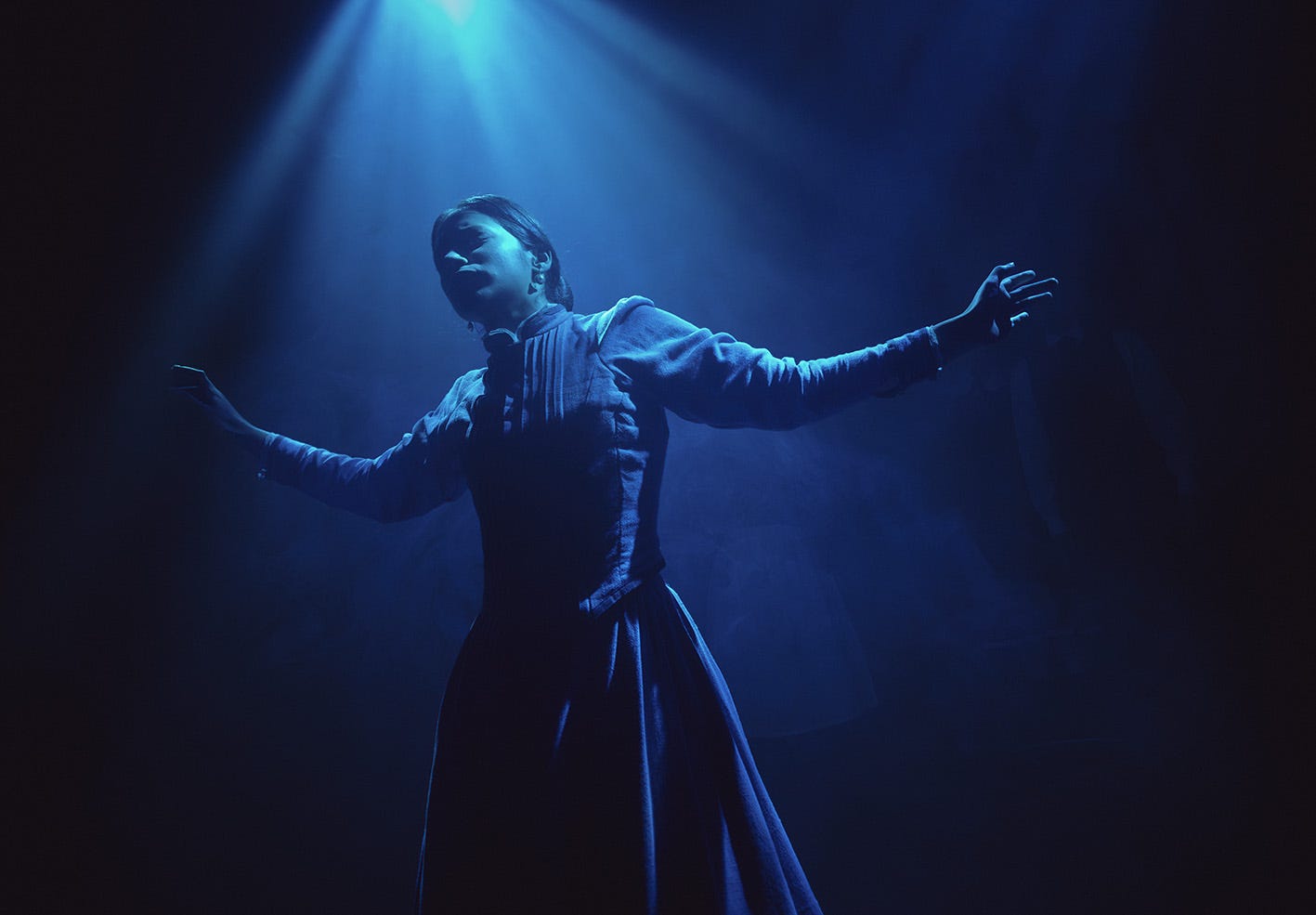
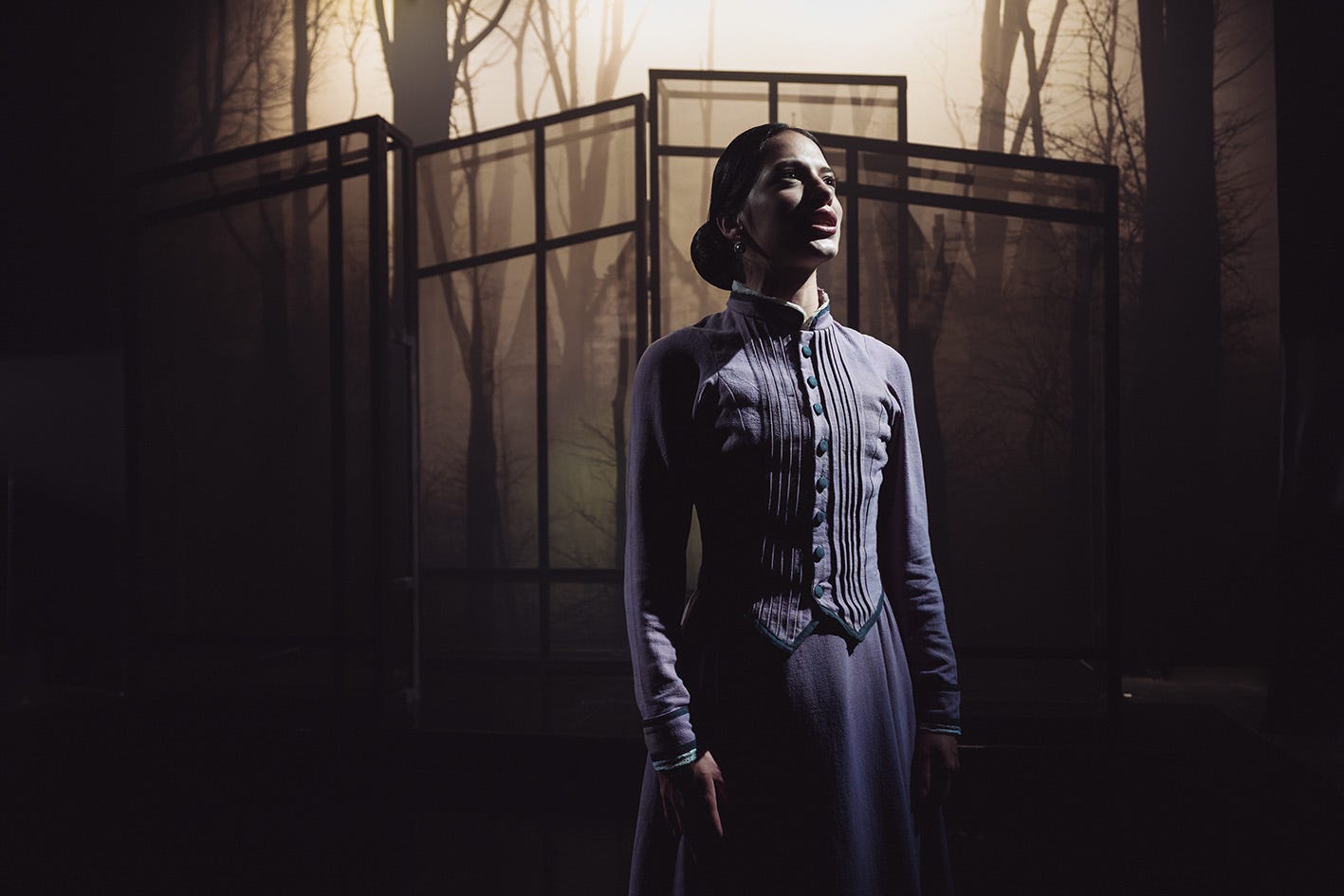
With The Turn of the Screw, Morgan was drawn to the ambiguity at the heart of Henry James’s novella. Are the ghosts real? Or is the Governess imagining them?
Rather than choosing between those familiar interpretations, she wondered whether the two could coexist. What if the ghosts were real, but the Governess still had to endure the experience of trying to convince other people that what she had witnessed was true?
For Morgan, this opened up a different way of looking at the story. She drew a parallel with the questioning women can face when reporting sexual assault: the pressure to repeat an account, prove every detail, and persuade people that what they’ve experienced really did happen.
The isolated house in James’s story interested her too: a place with its own restrictions and secrets, where disturbing things might happen without the outside world knowing or believing. It’s a much more unsettling possibility than simply asking whether a ghost exists.
What interests Morgan isn’t only the supernatural threat. It’s what happens when somebody tells the truth – or believes they’re telling the truth – and cannot persuade anyone else to hear it. That question feels particularly resonant in her work because Morgan has spent much of her career writing women who are attempting, in one way or another, to make themselves heard.
What happens when the story reaches the stage?
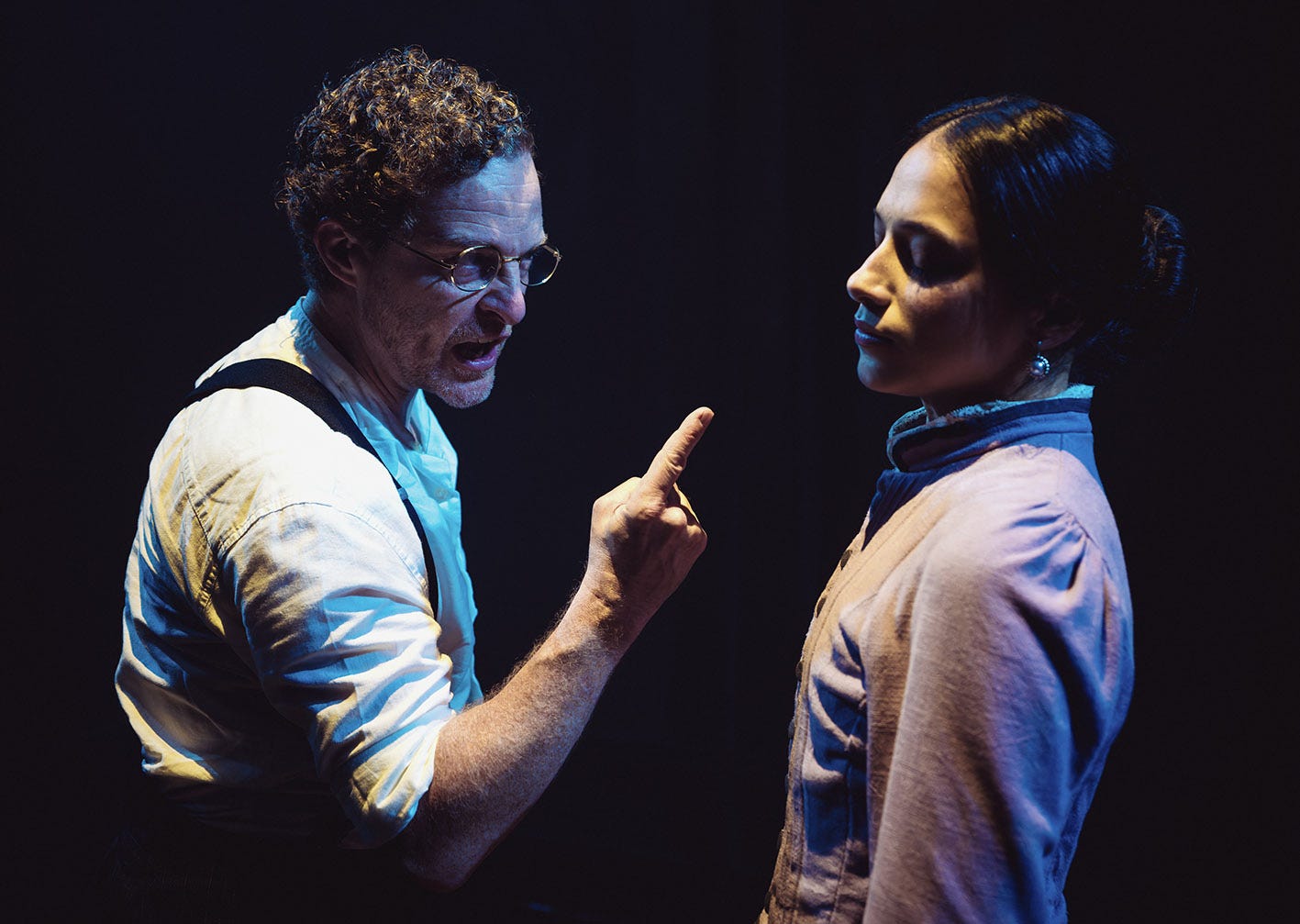
Of course, identifying an interesting perspective is only part of the job. Morgan writes for the theatre, and she’s interested in what theatre can do that another medium cannot.
She often sees elements of a production in her head as she’s writing. With Emilia, originally created for Shakespeare’s Globe, she spent time sitting in the theatre, thinking about its architecture and what the space might make possible.
Despite that, she doesn’t expect the finished production to reproduce exactly what she imagined. Indeed, I hadn’t anticipated hearing quite how much Morgan enjoys the moment when other people start getting their hands on her work. It’s one of her favourite parts of the process. She loves seeing what actors, directors, designers, movement specialists, lighting and sound teams, and others can bring to it. A designer may take something she imagined and make it considerably better.
And rehearsals aren’t simply a matter of putting a finished script on its feet. Morgan describes the first draft brought into a rehearsal room as the beginning of another stage of writing. If something isn’t working, that doesn’t automatically mean the script is wrong. The question becomes what everyone is trying to achieve in that moment – and whether the answer lies in the text, the staging, or somewhere else.
Sometimes she rewrites. Sometimes moving an actor or changing the staging solves the problem. Occasionally, something she’s written proves impossible within the production’s budget, and everyone has to find another way. That doesn’t particularly trouble her. She sees it as part of making theatre. It’s a refreshingly collaborative attitude, especially from a writer whose exceptional plays can demand so much theatrical invention!
Making space for women’s stories.
When I asked Morgan what she was trying to say now that she couldn’t have said at the beginning of her career, she took me back to a very practical decision: “I set out to create jobs for women.”
She had female actor friends who weren’t getting enough work, partly because there weren’t enough roles available to them. Writing plays with more opportunities for women was something she could actually do about it. That decision led her towards women’s stories and women’s voices, although her relationship with the work has changed as she’s grown older.
“I think as I’ve gotten older, I’ve gotten bolder with what I’m saying.” She laughs at the thought of where this might eventually lead: “It feels like I’m just gonna get to the point where I’m just screaming on stage.”
It’s a brilliant image - but there’s a serious point beneath the joke.
Morgan understands the commercial pressures of theatre and the temptation to make choices based on what might please producers or advance a career. She also knows that being an established playwright doesn’t mean being financially secure.
Increasingly, though, she’s conscious that there are only so many plays she will write, and only so many opportunities to have them produced. She wants to use those opportunities to say what matters to her – particularly about what it means to live in the world as a woman.
Perhaps it’s that awareness of how precious those opportunities are that has made her less willing to spend them trying to please the industry. As she succinctly puts it:
“I think I give less of a shit about that.”
And that seems a rather good place to leave a conversation with a playwright who has spent so much of her career making space for women to tell their stories – and asking whether the rest of us are prepared to listen.
Want to know how to get started in writing for the theatre? In our accompanying Resources article, How Do I Begin…as a Playwright?, Morgan shares her practical advice on finding your people, making your own opportunities and building a career without waiting for permission. Coming Friday, 16th October 2026.
🎭