
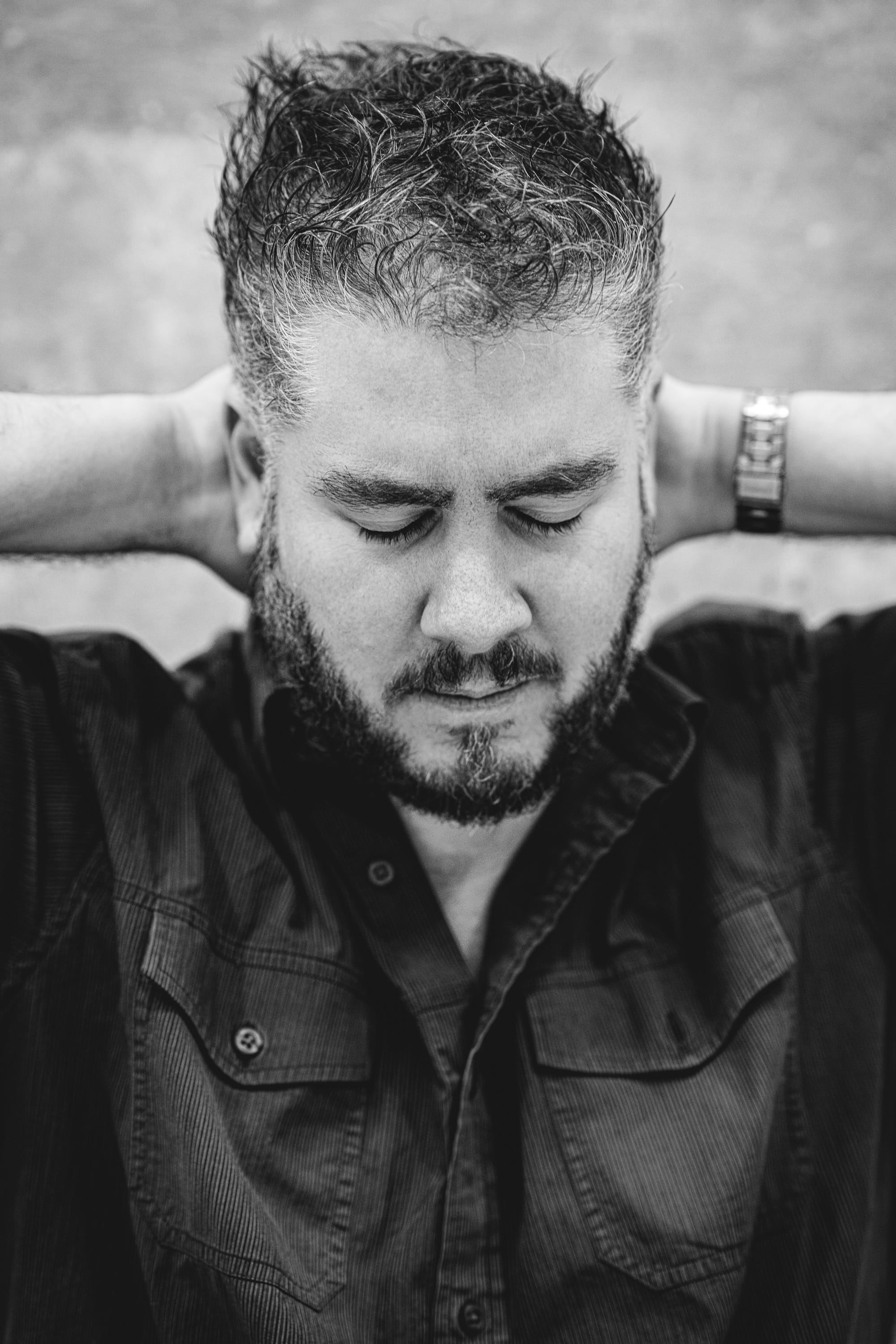
We spend years teaching performers to develop their individual voices, bodies and artistic instincts. Yet, when it comes to acting, we sometimes seem keen for them to abandon those instincts and perform like somebody else. What can the latest evolution in a century of dramatic thought teach us about the relationship between personal experience, inherited tradition and the characters we bring to life?
By the time an actor approaches Hamlet, or a soprano first prepares Violetta, they will already know how a dozen celebrated predecessors have interpreted the role. They will have absorbed specific gestures, vocal inflections, and emotional choices and inherited a clear idea of how much emotion should accompany each moment. With a long tradition to respect, success can seem dependent upon how closely one learns to reproduce it.
But what happens when the desire to get a character “right” prevents us from discovering what we ourselves might bring to it? As directors and educators, we spend years encouraging artists to develop their individual voices, bodies and imaginations, only then to ask them to reproduce somebody else’s interpretation when we get into the rehearsal room. How often have we seen performers start a project with an invitation to bring themselves to the process, only to find their initial responses quietly quashed in favour of a more prescriptive approach? And how much more authentic might these performances have been if we had instead encouraged them to draw on their own lived experiences rather than trying to force them into the shape of what we think a successful performance should look like? In the quest for authentic performance there is a stark difference between learning from the past and feeling obliged to repeat it.
One of the reasons contemporary audiences seem so appreciative of “authenticity” in the theatre is because of the recent evolution in the value society places on identifiably genuine human interaction. Whether on stage or on Tik Tok, the trend for superficial perfection has now been superseded by a desire for genuine connection with genuine people – and the question for modern theatre-makers is how best we can craft authentic characters without any of the poison of performative perfection.
Contemporary thinking about identity has increasingly challenged the idea that people are entirely self-contained individuals, somehow separate from the relationships and cultural histories that have formed them. Post-individualism encourages us to appreciate that we are each shaped by a myriad of external forces: family, community, language, social expectations and the lived experiences that change our understanding of who we are.
Post-individualism in theatre
What did your family teach you about expressing anger? What does your community consider courageous? How do you recognise authority, intimacy or betrayal? Which assumptions have you inherited, and which have you spent your life questioning?
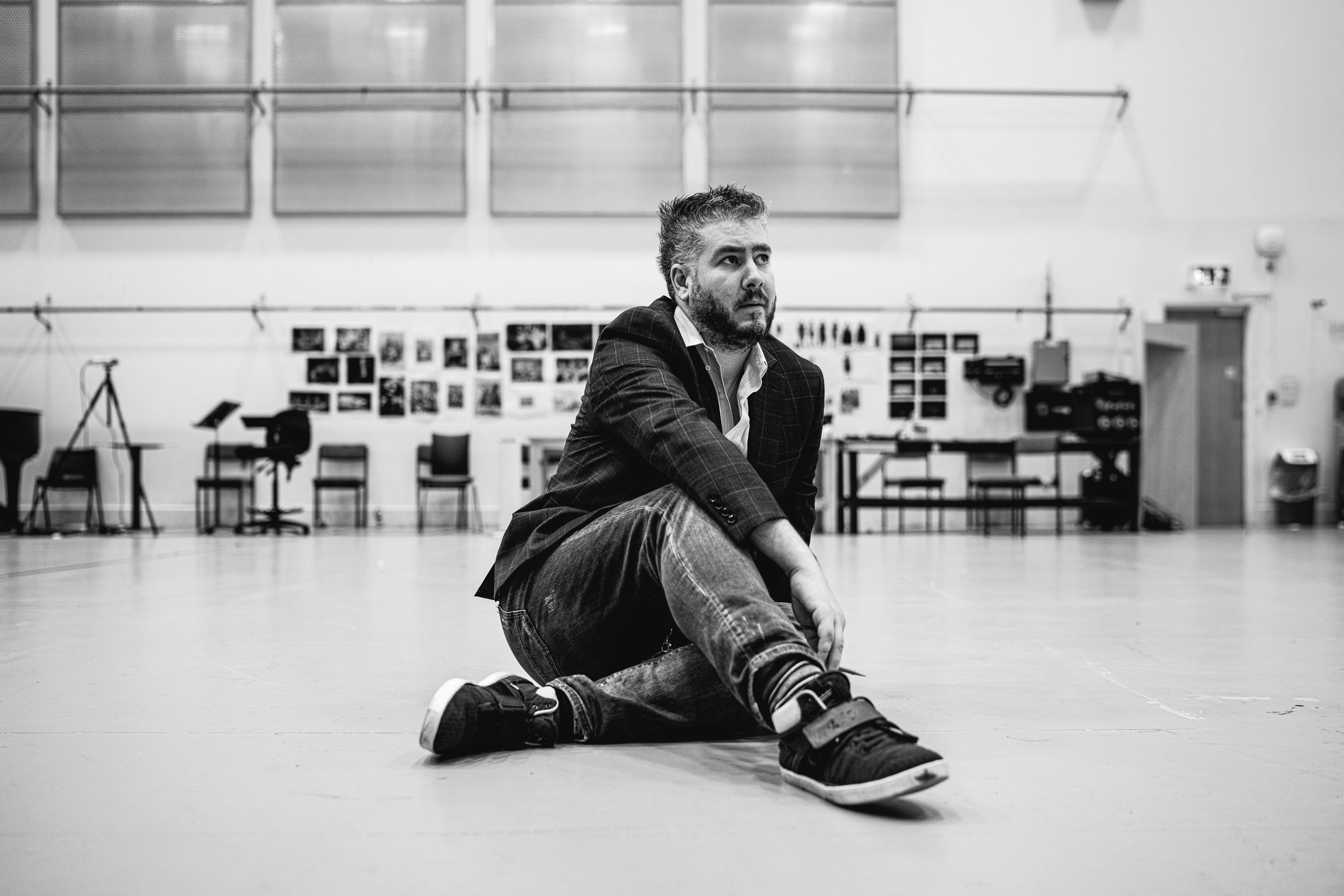
An actor approaching Juliet will never have experienced her exact circumstances, but may understand implicitly the exhilaration of first love, or the frustration of being underestimated, or the suffocation of family expectations. A singer approaching Carmen might be drawn first to her desire to be loved without being controlled, or her experience of being judged by others, or the tension between public confidence and private uncertainty. These different starting points will produce radically different performances, and that is the point. The most exciting thing about getting to tell the same stories through different lenses is that each new approach will reveal further and deeper layers of character and interpretation. There is a freedom in realising that there is no “correct” version of a character in a story – and an even greater sigh of relief in understanding that audiences are not expecting one. Instead, by embracing the multiplicity of identities that you carry within yourself, you can’t help but create characters that carry a genuine human authenticity. This is because each moment on stage will have been informed by a genuine human – you.
For performers, this may complicate the traditional idea of bringing ‘yourself’ to a role; we can no longer just solipsistically mine our private memories for emotional material as advocated by some “Method” approaches, nor will audiences reward reliance on tropes or archetypes that would have succeeded in other eras. Instead, this new focus on “authentic” performance insists that we utilise our entire network of influences, assumptions and relationships to build characters that carry an aura of holistic truthfulness about them.
The person behind the character
One assumption that persists in many performance approaches is that an actor must somehow leave themselves behind to become another person. In practice, this is impossible - we cannot suspend our histories, bodies, habits of thought or understanding of the world simply because we have entered a rehearsal room. But these fixed aspects of our identities are not obstacles to truthful performance - they are among its most essential resources.
Leading the vanguard in this post-Individualist landscape are dramatic theorists like Dr Cristal Chanelle Truscott. Rooted in Black storytelling modalities, Dr Truscott’s practice and scholarship challenges “traditional” assumptions about how an actor’s unique individual experiences can be embraced to generate authentic performances. By inviting us to consider how ancestral knowledge, contemporary consciousness and the fullness of an artist’s own identity might inform creative practice, Dr Truscott encourages artists to draw upon the knowledge they have uniquely built through their own lives, creating a “Cultural Conservatory” as rich in character-building resources as any training institution.
By reframing the value of the relationship between professional technique and personal experience, Dr Truscott asks us to look beyond the necessarily narrow limitations of the training institutions where our artistic skills are honed, and instead embrace the lessons of the other educational path that each student of performance has subconsciously embarked on since birth – our own lived experiences. The music heard around the family home, the stories told by grandparents, the emotional codes of a particular community, and the experiences that have changed our understanding of love, power or loss – these are the foundational aspects of our characters that have too often been subjugated or suppressed by a desire to perform a part “properly” according to someone else’s performance traditions.
After all, why should we exclude from our practice any intrinsic part of our own selves when we are seeking to play truthfully authentic people on a stage?
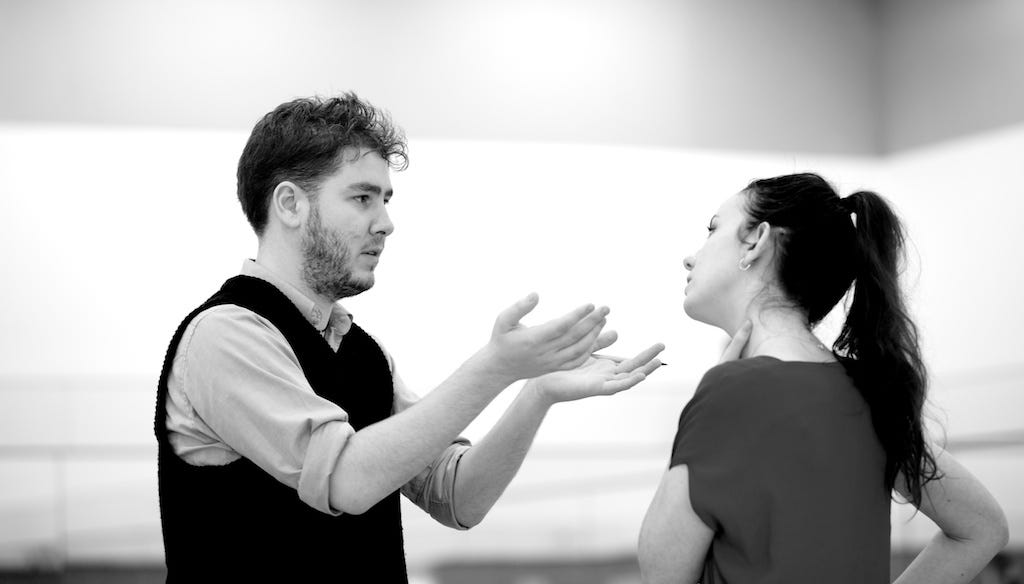
You are an individual, but you did not invent yourself
How much should I copy a famous and successful performance of a role I am about to undertake, or should my own experiences as a person shape my approach to that character?
This question has occupied actors and theatre-makers ever since people started arguing over motivation and approach, especially in our current climate which rejects the notion of a “correct” interpretation that exists in a vacuum-sealed bag ready to be unlocked and worn by whoever seeks to tackle the role.
It is important to remember that a play, musical, or opera is not simply a structure intended to be reproduced accurately; its language, music, silences and dramatic relationships contain tensions and possibilities that performers must not merely discover intellectually, but must inhabit imaginatively, physically and, crucially in the contemporary sphere, with a truthful authenticity.
Of course, making a work your own does not mean doing whatever you please. Shakespeare remains Shakespeare, Verdi remains Verdi, and artistic freedom does not excuse an indifference to the text, score or historical context. But precision and personal freedom are not opposing forces; the more secure your understanding of the material – and yourself - the more possibilities available to you as you exploit the intersections of your own lived experiences and the material you are performing.
Two actors can approach the same line with equal intelligence and reveal entirely different dramatic truths. One might find anger beneath apparent tenderness; another might uncover fear, or an attempt to conceal it. Both interpretations are illuminating, provided they emerge from a genuine intersection of the play’s circumstances and your own feelings as an actor.
In this way, the future of performance lies not in choosing between tradition and individuality, or between the self and the character, but in taking that relationship more seriously and in making choices more deliberately.
So, by all means encourage actors to bring all of their history into the rehearsal room. Whether actor, singer, or director - bring all of your experiences, your cultural knowledge and the things you still do not understand. And then allow the words, the music, the character and the people around you to complicate what you thought you knew.
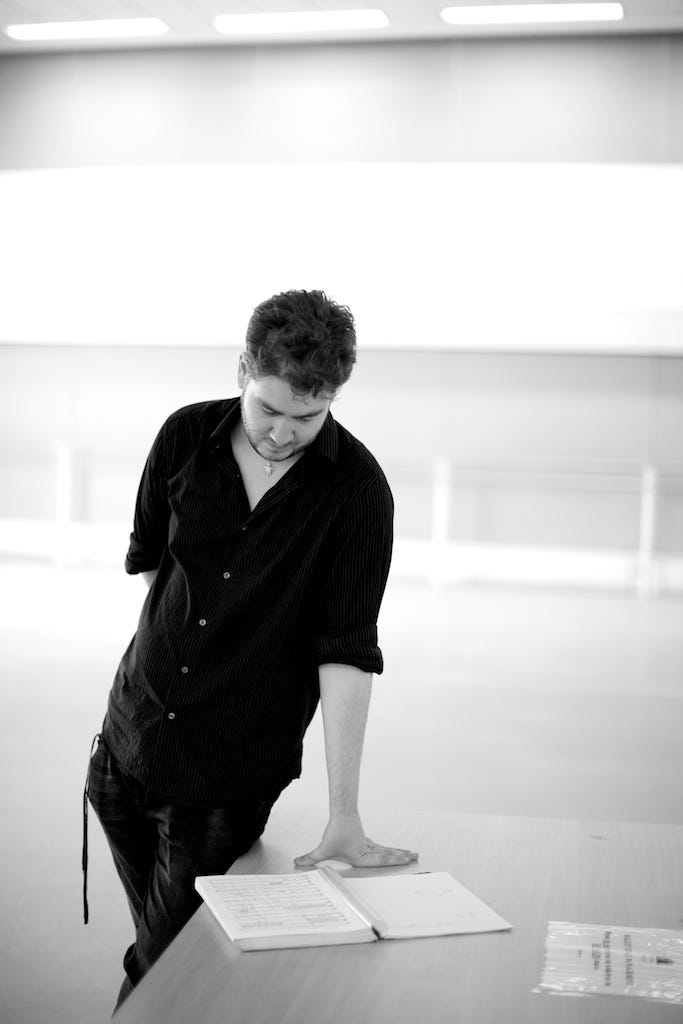
You are not Hamlet. You are not Violetta. You cannot be. But by embracing your own unique interests, the communities that nurtured you, and the lived experiences that shaped you, you may discover something about your characters that nobody else could ever have found in quite the same way.
And that, surely, is what keeps an art form alive.
🎭