
She trained as an actress, worked alongside great actors, wrote for Ken Russell, and then turned to fiction. But this was never a farewell. Acting and writing, she discovered, are two faces of the same coin; one born from the other, and to silence one is to suffocate both. For her, it was never a matter of choosing. It was the instinct to unite both.
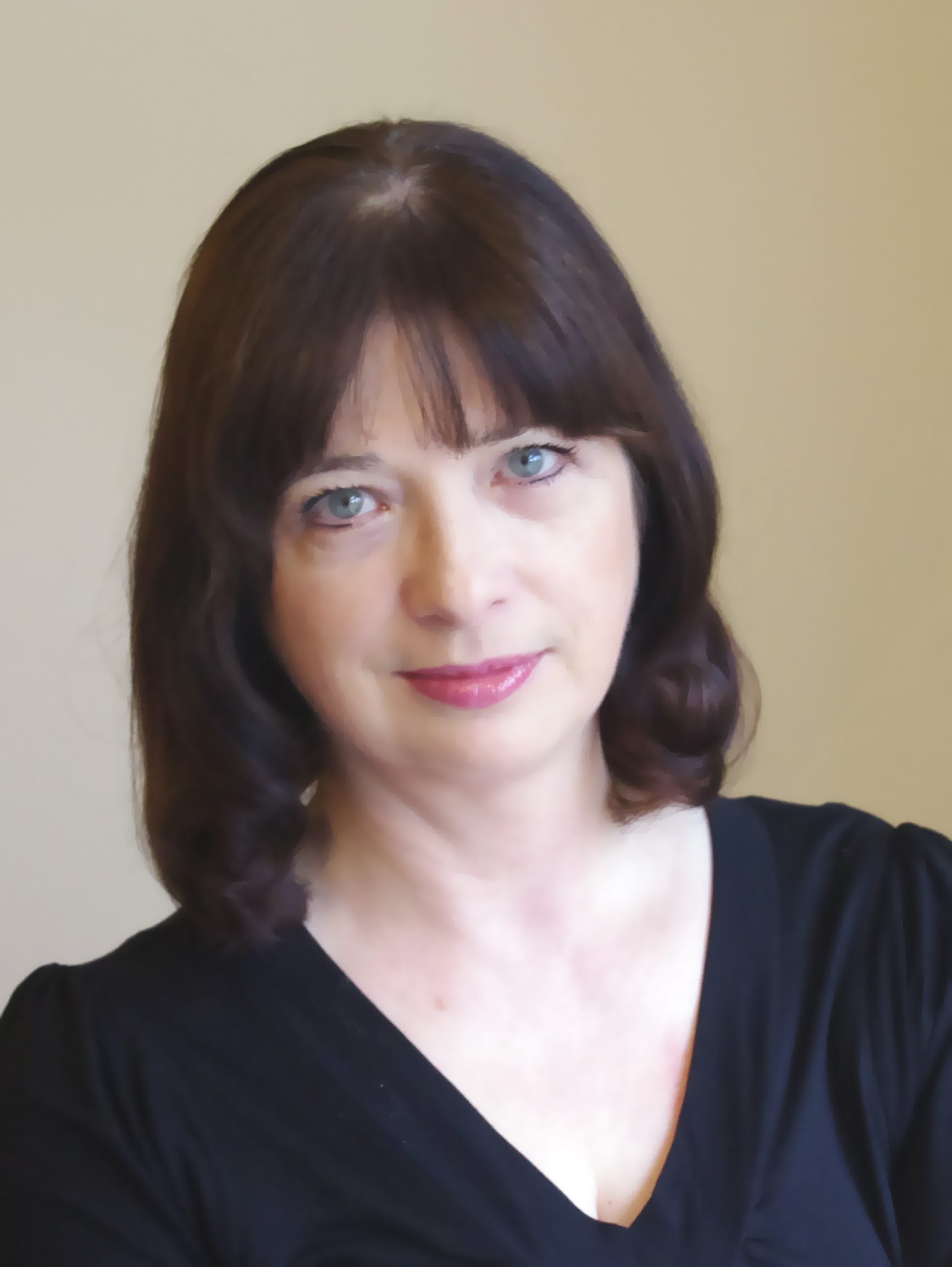
There are individuals who lose their ability to be amazed prematurely. Life steals it, covets it, slowly or immediately, and they deem it the price of maturity. But there are others who do not falter. They persist through life’s dead-ends, through fields of blossoms and carpets of thorns, and step out still capable of smiling at the sight which first made their gaze soften.
Melanie Hughes is one such spirit.
Theatre was her wonderland. A magnetic destination which she journeyed towards intuitively. She skipped school just to watch the legendary Laurence Olivier perform at the Old Vic, not out of rebellion, but for a recognition she needed to decipher. She described what she encountered there as “power.” Not the power of an impressive spectacle, but more a sensation which made her surroundings clearer to her. “An audience is a piece of clay. Unformed. It is up to you, as an actor, to tell the story of that character throughout the journey of the play.” Theatre, she would say, was “another world that helped me see my own world.” Not a distraction. A way of finally opening your eyes.
To study the art became inevitable. She trained at the Central School of Speech and Drama with John Jones. A man whom she described as “difficult but enormously gifted.” He imparted a metaphor to her which would outlive every role she would ever play: “People have their own music.” The cadence of their voice, the words they reach for, the silences they are unable to fulfil. Before inhabiting a role, one must first live the rhythm of that person’s life. Who they are. What they lived and saw. Scars are the buried voices of our very being. She described it as “mining.” Delving into the undergrowth to find the how, what, and most essentially, the why. She would take this method as her own. The spine to her every written word.
Ken Russell. Perhaps the most prolific, eccentric and arbitrary director of British film, she met him by chance. Some moments are never engineered. They just are. She was at a dinner party, seated next to him. He was never one for small talk. Perhaps what he perceived, looking beyond the conversation, was a woman who could unconsciously turn the tide and make a lapsing production surface. D.H. Lawrence was on his mind and they spoke at length. Later, she found herself on location for three months of Lady Chatterley, with its “Frankenstein” script, as she describes it, to salvage. Regardless of his temper, which could ignite without provocation, she was aware that she was in the presence of a genius who could and would, surprisingly, listen. A most humble quality which cannot be freely attributed but, without hesitating, in solemn reverence, she says: “possibly the most intelligent and imaginative human being I’ve ever met.”
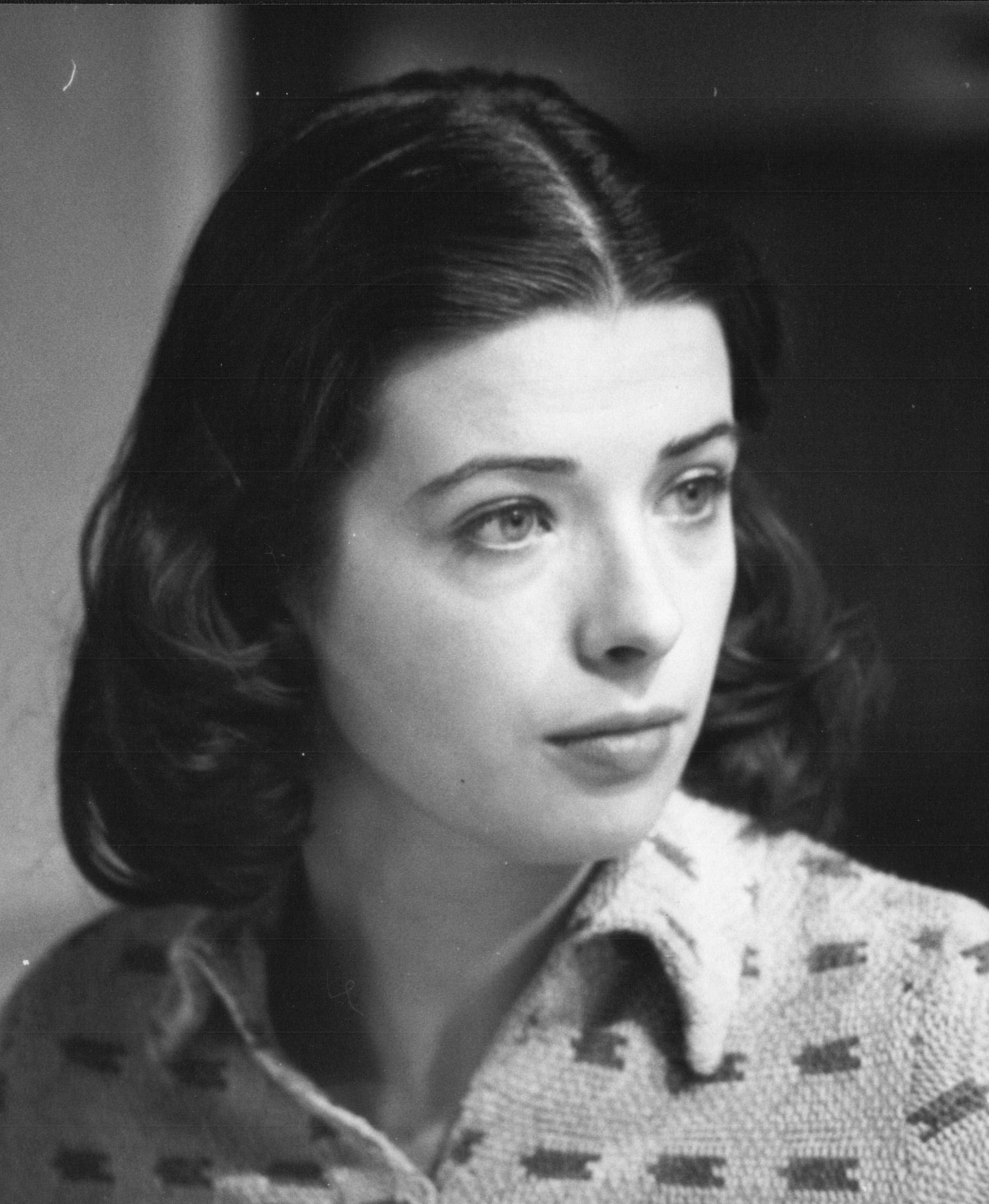
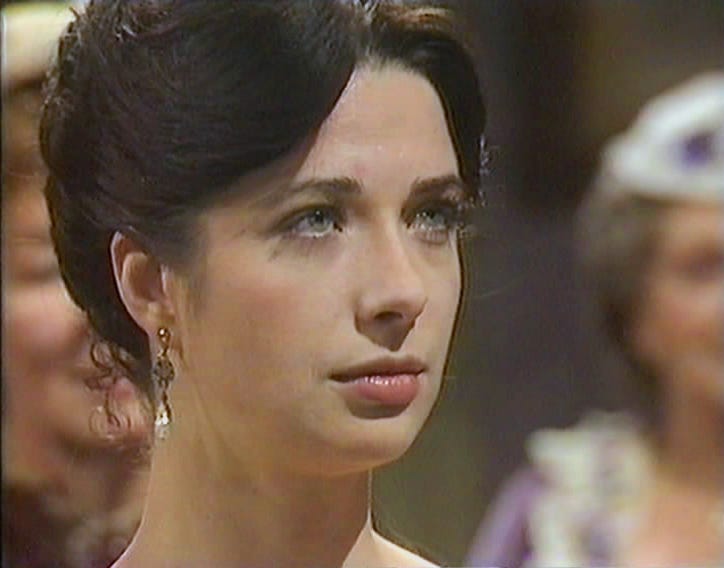
Our experiences are moulded by some, inspired by others and sealed by few. Ken Russell was one. The first exposure came before, when she was younger, in a small role, in the presence of great names and bewitching rehearsals. Long before script edits and the novels that followed, there was the playwright Athol Fugard and his Dimetos.
It was no ordinary cast. That much is certain and for one so vulnerable it was extraordinary to have been granted that space. To witness Paul Scofield, Yvonne Bryceland and Ben Kingsley at work and under Fugard’s direction. She recalls that watching Scofield’s and Bryceland’s rehearsals was what performance would be to others. To breathe a role without a single restraint. No reservation. And to sense the earth move in utter surrender.
Audiences can be fickle. Some come wreathed in veneration while others judge without foundation, without knowledge. This is the ignorance of the spectator and the unacknowledged toils of an overworked cast. Dimetos closed after six or seven weeks. The venue was wrong. The West End was not for this calibre of production, nor for the intense reaction its subject matter could provoke. It deserved a stage where careful thought would override frivolity and an audience capable of human openness, deserving of its content, instead of drunk reviewers who would stagger out mid-performance. The devastation in Fugard’s eyes was something she would never forget. And so Dimetos failed. Not because of its formidable direction, but because of the mediocrity that artists are so often subjected to.
The significance of Dimetos, its content and the full weight of what it carries, sowed itself into her, each stitch a reminder of what silence can create if it is not broken. In her youth, she became acutely aware of the intricacies of human existence which would find their way into her future novels. W.H. Auden was her helm when reliving this moment: And each in the cell of himself. To exist while wrestling with emotions difficult to articulate and impossible to release is in itself a slow, internal death. To have lived it, felt it in all its inexplicable pain, demanded a place to let it rest. Words.
Nita, her mother-in-law, was the origin. A woman as extraordinary as the archive she left behind when she died. Countless diaries and letters which held an entire existence within their pages, a life immortalised in words. These were the ones which spoke to Melanie. Nita held onto everything, her love bound to India through marriage, deeply immersed in its cultural realm. She was withdrawn and secluded, which made her life on paper contradictory, as her life had been adventurous. She broke rules, challenged them, changed them only to break them again. A modern woman born into an erroneous era. A member of the clandestine India League, she travelled to India in 1943 and and four years later witnessed Partition, which swept through the whole of India and Pakistan. Lahore, as capital of the Punjab, was the eye of the storm, where riot and great bloodshed took place. She felt love intensely only to divorce and continue without asking for redemption. She fought for a liberated life, one which others could only take for granted when for her it was an oath.
In reading her words, there was an eclipse of revelations, jarring events which could only be softened by the forgiveness of a younger voice. The rare chance to materialise such richness came naturally because she had learned to transmit effectively, across a theatrical lifetime, voices onto the page. She recognised the grave responsibility to portray another person’s life in the literary sense, a wealth of emotional episodes which needed to be treated with care, precision and, most importantly, respect. To tell another’s story as though it were one’s own is a territory which calls for delicacy and requires caution. This is a language ingrained in her, an understanding forged through years of observation, which has given her the indisputable knowledge of what it takes to expose something so close to one’s very core to others, to allow it to be experienced in all its vulnerability. She says, as a promise: Comprendre c’est tout pardonner.
Delhi — City of Spies is an unresolved secret living within Nita’s undisclosed dimension. There was a murder. The investigation lasted twenty-four hours and was quickly buried. The report lacked substance, given the brutality it described. A life disposed of and conveniently stored in boxed files. Never mourned. Locked.
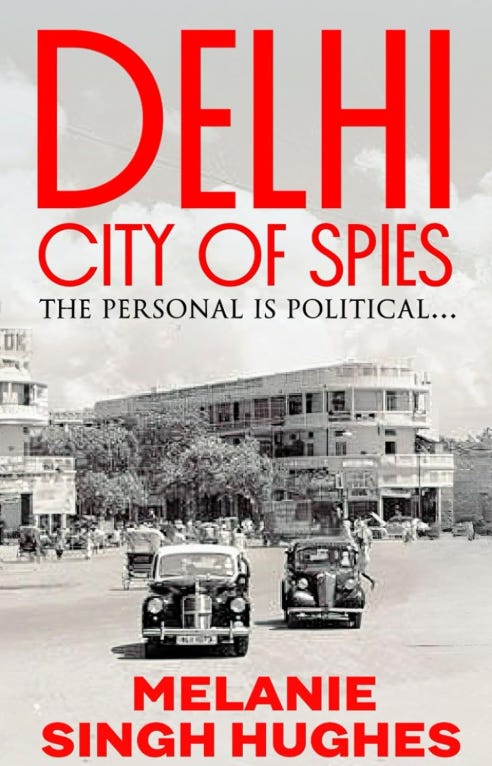
Like all novels, it has a scaffolding for context and atmosphere and this tale lends itself to being told, but beneath its historical setting, the Cold War and the political struggle between East and West, this is one about human beings, about individual faces remembered and yearned for, their lives snatched mercilessly from them and their truth reclaimed through justice.
How can you speak for one without words? How can you belong in a silence you never heard, a vision you never shared? How can you write and be authentically believed? Hetty Baynes, a gifted actress and friend, who married Ken Russell, gave her an image, a metaphor to articulate the unspoken. She said: “You have a plant, a flower. You think that’s just a flower. But if you look down, there’s a whole root system, spreading not only down but across.” The woman, brutally discarded, was not a case but a being who possessed scars, personal experiences without written record, a life undocumented, memories irretrievably lost. And yet to bring her to life on the page demanded understanding, compassion and the courage to give her resolution. Even in silence. Even for anonymous eyes.
For her, interpretation heeds compassion and writing asks for self-belief anchored in courage. The French writer, Colette, referred to the blank page as an incitement, a reproach which demanded and accused simultaneously. Writing has its own trepidations, its hounding demons and a constant jury conjured in one’s mind, answerable only to the writer’s own unforgiving expectations. “You don’t need anyone’s permission to be creative. It’s not collaborative. And that is its great strength.” The writer’s path is a solo one to walk with no companions to share the tension, shape the structure, resolve its errors and no immediate audience whose held breath is a unanimous response to a flawless portrayal. And yet there is attainable beauty in the silence of a room which witnesses the frantic scribbles of a soul in full creative flight, suspended between the realms of wonder and realisation, what she calls “heady, boundless and bliss,” a pure culmination of self-expression.
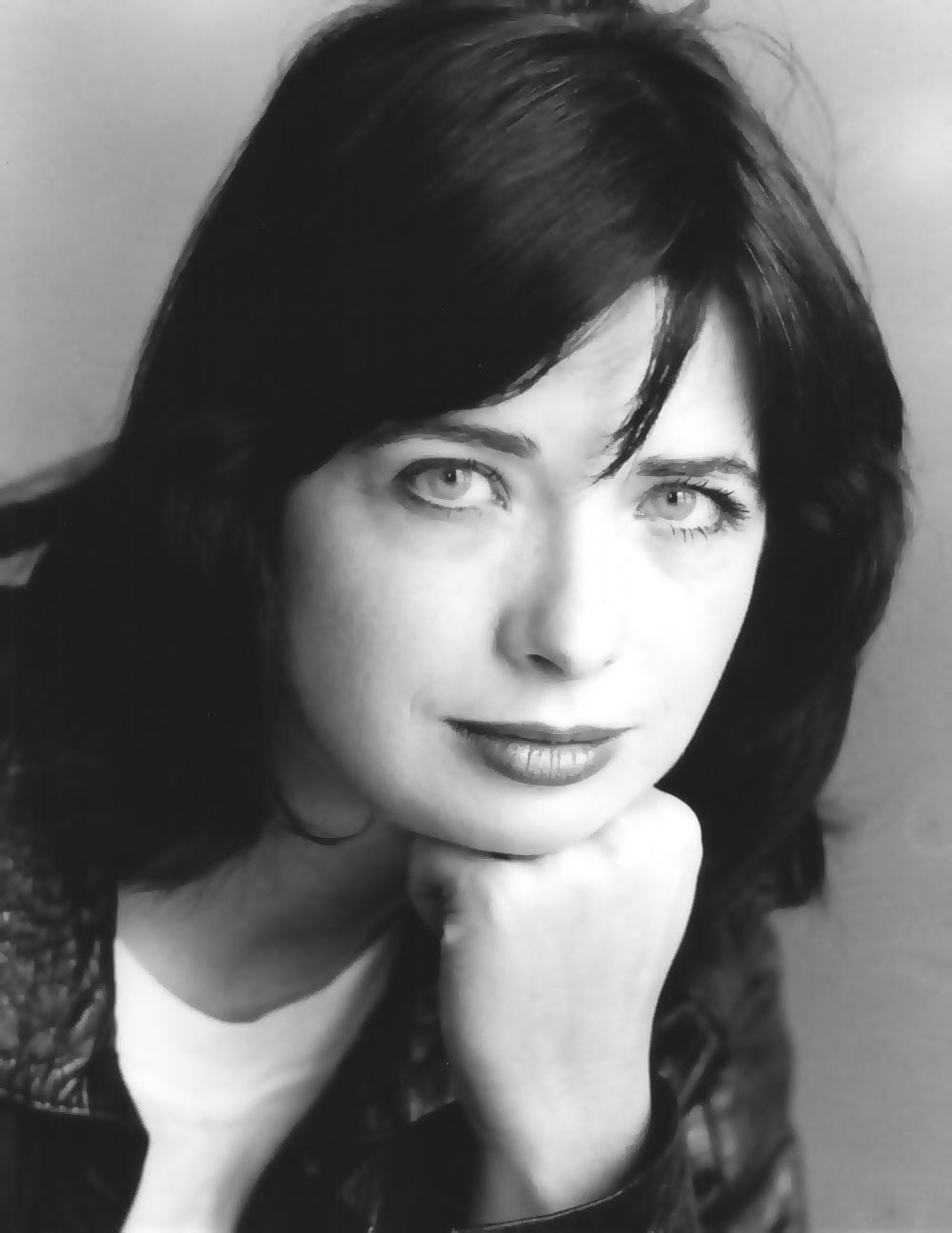
Actors. Writers. Why separate when creativity itself is innate. They dwell in each other as they enhance the intimacy that they both possess. These two arts fused in her. The page. The stage. From both she inherited life. For what is existence without what it gives. She does not need to choose because they both articulate through her cemented devotion to character and human nature, and she has thrived in both.
The looking glass is the enigmatic portal. What is it that makes her feel what to us, as spectators, we can only lean towards, dare to perceive:
“That wonderful, heart-catching moment when the lights go down before the stage lights go up. The earth moves for me. It always will.” — M.H.
🎭