The show is over. The stage door queue has finally thinned. It is past eleven and the walk to wherever home is tonight is longer than it should be, through a city that is not yours, in a street you do not know.
Matt Henry has made that walk. And he has never forgotten what it felt like.
When I speak to Matt, he is in the middle of eight shows a week playing Nigel in The Devil Wears Prada at the Dominion Theatre. But he is not here to talk about the role, or the rehearsal room, or what it is like to perform opposite some of the biggest names in West End theatre. The accolades and the curtain calls are not what is driving him right now. Something else is.
That something else began in Sunderland. It was 2004 and Matt was on tour. “We weren’t so up on mental health and safety then,” he tells me, “and you kind of were in the shut up and put up era of our lives in the industry. I thought that when I got to a point where I had a voice that people would listen to, I wanted to bring about a change.”
But it was not until years later, working as Associate Director on The Drifters Girl, that everything crystallised. Every Tuesday he would arrive and ask the touring company the same question. How are your digs? “There was always something,” he says. “There was always a negative response.” A repairman had walked in unannounced. Someone had tried to let themselves into the house. A young actor had been racially profiled in the building where they were staying simply because nobody knew they lived there. “It just correlated with what I was going through back in 2005,” he says. “And so I felt this was the turning point. Something needed to change.”
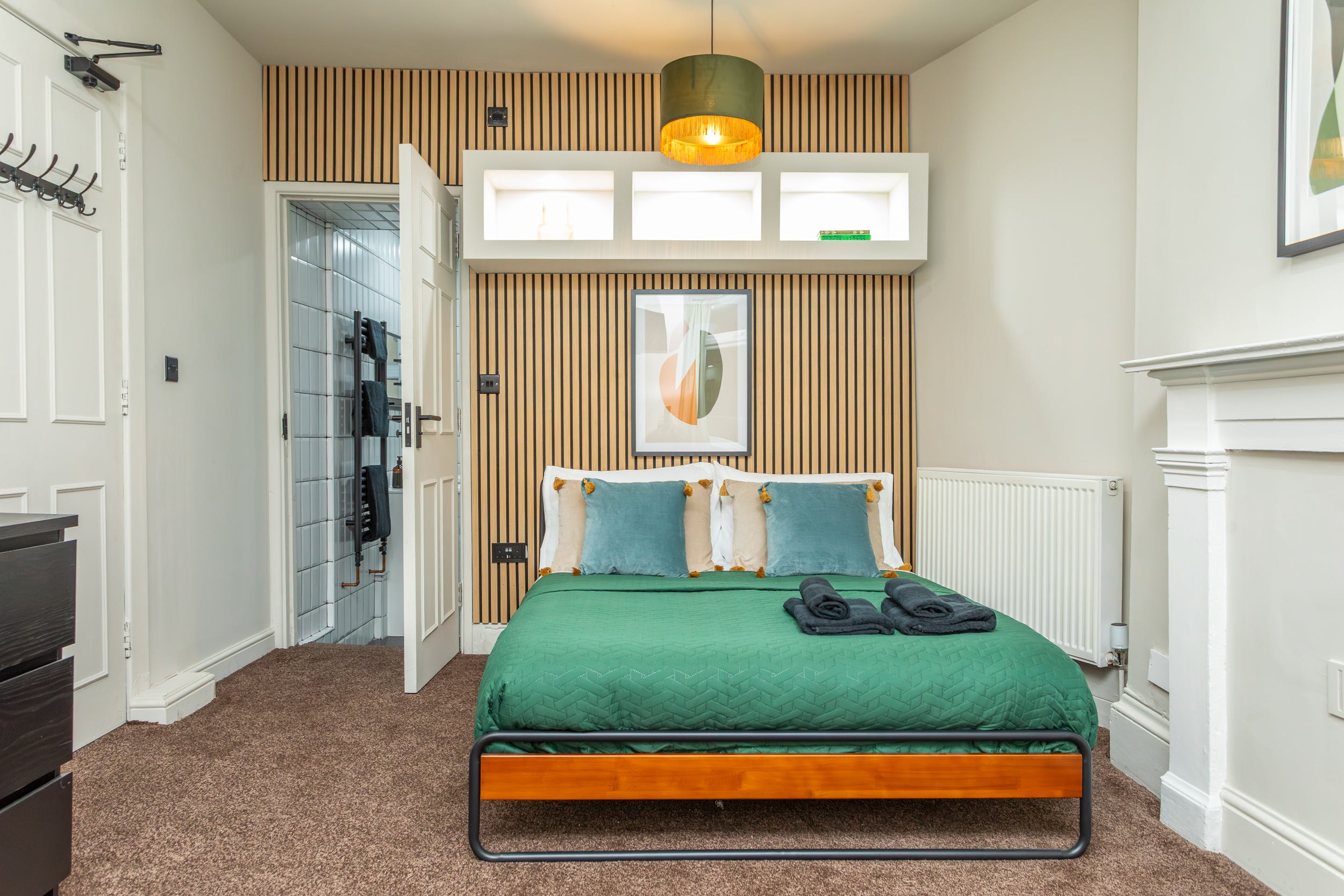
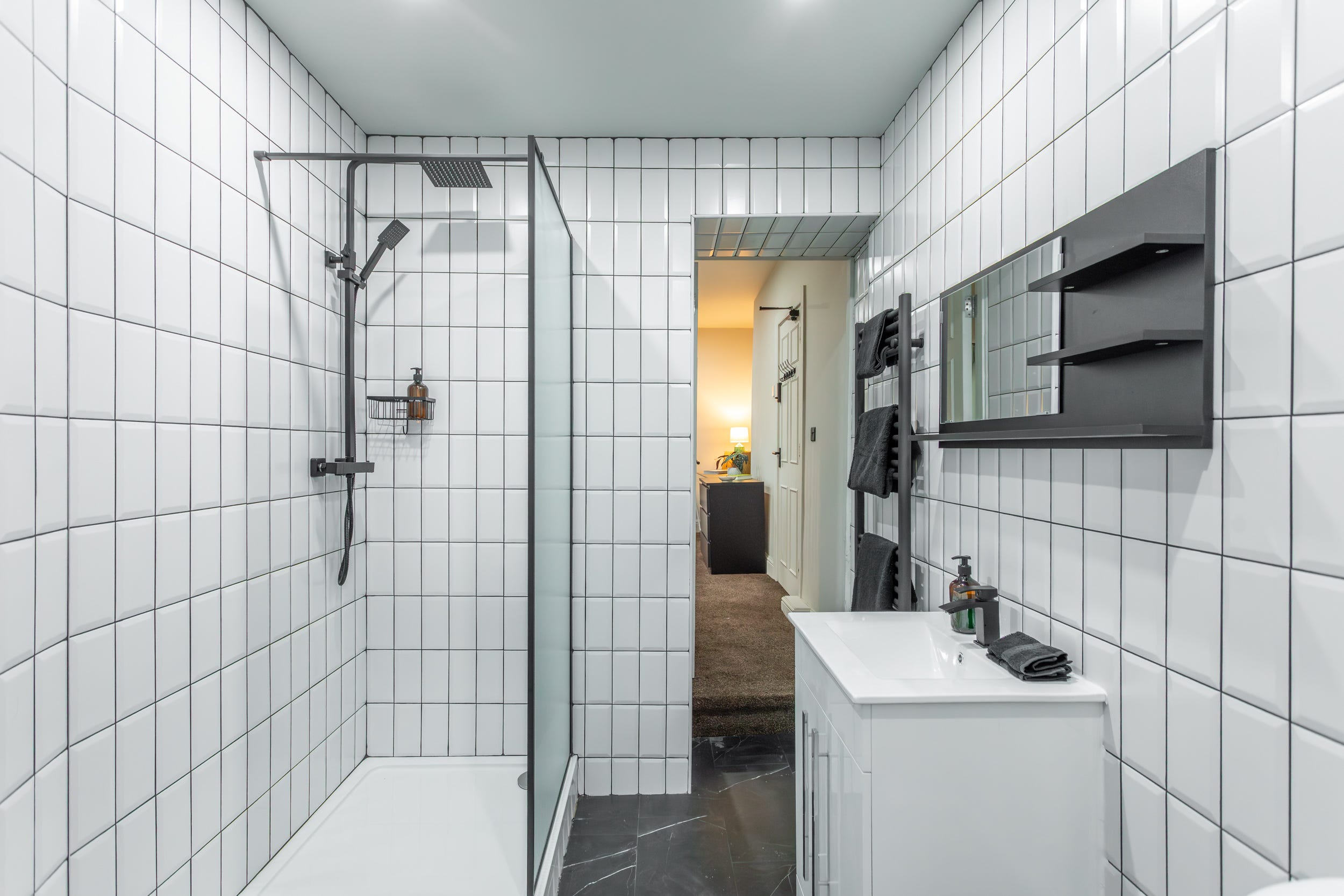
And so Matt did something about it. He used his own funds to buy a house in Bradford. A seven-bedroom house, each room with its own en suite, close to the theatre, affordable within the Equity subsistence allowance. “I wanted to create a prototype,” he says, “where actors can find community, safety, and affordability. And quality. When I say quality, I mean it feels like a home from home.”
The most surprising thing, he tells me, was that it spread entirely by word of mouth. Matthew Bourne’s company stayed during The Red Shoes. Then rebooked for The Car Man. Then for Cinderella. “They sent a message saying please, please, please,” Matt says. “We’ve told everybody. Everyone knows about this now.” He laughs. “It kind of feels very heartwarming that we’re doing something good.”

I ask Matt how he holds both lives simultaneously. Eight shows a week. A social enterprise to run. A son to look after.
“I don’t know,” he says, laughing. “I feel like there’s not enough hours in the day.” He answers emails in the interval. He grabs half an hour here, an hour there. “It’s a lot of plate spinning.” But he is not doing it alone. “I’ve started to put together a really good team of people who believe in the cause, who believe in the mission, who want to bring about change with me.” It is that team, he says, that has made the Christmas Songbook possible.
The need for it could not be more urgent. In the wake of COVID, private landlords flooded the market. Prices soared. Actors found themselves topping up their Equity subsistence allowance of between £280 and £340 a week out of their own pocket. “You couldn’t find anything less than £500 a week,” Matt says. “You were always having to use your wage.” And the subsistence itself? Eight years of negotiation to raise it by £40. “Which was crazy.”
The consequences are already being felt. Actors are refusing to go on tour. And when they do, regional theatre collapses from the inside. “The principals are being looked after,” Matt says. “But I’m talking about the young ensemble members, the swings, those working backstage. These people are the infrastructure of touring shows.”
“Just having the prototype in Bradford isn’t enough,” he says. “What we’re trying to do is expand into other towns and cities.” The model is straightforward. Find empty properties (there are many, with the government now pushing landlords to address vacant accommodation across the country), lease them, decorate them to a high standard, and make them available to touring companies at a price that sits within the allowance. “Actors should never have to touch their living wage,” he says. “It should always be within the Equity system.”
His endeavour to make this better for the acting community is largely attributed to an unpleasant and threatening experience Matt had in Sunderland.
It was late. The show had finished. He was trying to get back to his lodgings on the outskirts of the city when it started. Racial slurs. Men following him. Danger was thankfully averted.
“Thank God for the taxi driver,” he says, “who bundled me into a taxi to get me away from these guys.” He pauses. “For no apparent reason.”
He had just read an article in The Stage about the rise of racism and homophobia experienced by actors on tour. “To hear that it is still continuing,” he says quietly, “is really, really sad.”
Anxiety breeds conviction and tenacity will create this much-needed change.
On 7th December, at the Gillian Lynne Theatre, The Actors House will host its first major fundraising event. Twelve professional West End performers. Young musicians. Students and graduates stepping onto a West End stage for the very first time. “This will be their first West End debut,” Matt says. “And I think that’s what the Songbook is about. Raising funds, but also giving the opportunity for the next generation to perform alongside the current generation.” Among the ambassadors of The Actors House are Ian McKellen and Christopher Biggins.
It is, in essence, the handing over of a legacy. The next generation performing alongside the current one. Better equipped. Better supported. Better than those who came before.
Near the end of our conversation I ask Matt about his MBE. What does it mean to him now, in the context of everything he is building? He remains thoughtful. “It signifies my commitment to theatre,” he says. “It really sat with me for a while. And I think that’s also been a driving force behind me wanting to do something more than just be a performer and win accolades for roles I’ve done. It kind of really says to me, do something. Help your industry. Continue to champion your industry.” He pauses. “My services to theatre. In my performance life. But also my services to the theatre community by trying to bring about change in regards to the accommodation crisis.”
The show is over. The stage door queue has thinned. It is past eleven and the walk to wherever home is tonight is nearer, in a city which is not yours, but the street feels somehow familiar.
Matt Henry is making these changes. One house at a time.
🎭